Lost in the Wild Beauty of Port Louis, Mauritius
Nestled between emerald mountains and sapphire seas, Port Louis isn’t just a capital—it’s a gateway to raw, untamed nature. I went searching for quiet waterfalls, hidden trails, and misty peaks, and found something far more real than any postcard. This is not about tourist checklists, but soul-stirring moments where wind, rock, and ocean speak louder than words. The city pulses with energy, yet just beyond its edges lie forests humming with birdcall, mountain paths veiled in mist, and coastlines sculpted by centuries of tides. Here, nature doesn’t compete with urban life—it cradles it. For travelers yearning for authenticity, Port Louis offers a rare duality: the convenience of a vibrant capital paired with immediate access to landscapes that feel untouched, unspoiled, and deeply alive.
Arrival with a View: First Glimpses of Port Louis’s Natural Drama
As the plane descends toward Sir Seewoosagur Ramgoolam International Airport, a breathtaking panorama unfolds beneath the wings. The island emerges from the Indian Ocean like a jewel set in blue, its terrain shaped by ancient volcanic forces that continue to define its character. From above, Port Louis appears nestled in a crescent-shaped bay, framed by a dramatic amphitheater of forested ridges and rolling hills. These are not mere backdrops—they are living remnants of a fiery geological past, where lava flows once carved pathways now traced by rivers and roads. The city itself pulses at the edge of this wilderness, a vibrant hub bounded by nature’s grandeur.
The drive from the airport to Port Louis offers an immersive introduction to the island’s layered beauty. As the highway winds through the southern plains, vast fields of sugarcane stretch in every direction, their emerald blades rippling in the tropical breeze like waves across a green sea. This is more than scenery—it’s a testament to the island’s agricultural heritage, where generations have cultivated the fertile volcanic soil. Yet beyond the orderly rows of cane, the land begins to rise, revealing pockets of dense forest, marshy wetlands alive with egrets and herons, and distant peaks shrouded in soft mist. These wetlands, particularly around the Rivière des Créoles and the Bassin Blanc, serve as vital habitats for native and migratory birds, offering quiet sanctuaries just minutes from main roads.
What makes this first journey so powerful is the contrast it reveals. Port Louis, with its bustling markets, colonial architecture, and harbor alive with cargo ships and fishing boats, thrives as a modern capital. And yet, within a short drive, the city’s rhythms give way to the slower pulse of nature. This duality defines the Mauritian experience—a place where urban convenience and wild beauty coexist in harmony. Travelers quickly learn that Port Louis is not an endpoint, but a threshold. It is where the adventure begins, where the map opens not to museums and shopping districts alone, but to trails that climb into clouds, rivers that vanish into gorges, and shores where solitude waits just beyond the next headland.
The Heartbeat of the Highlands: Le Pouce and Its Secret Trails
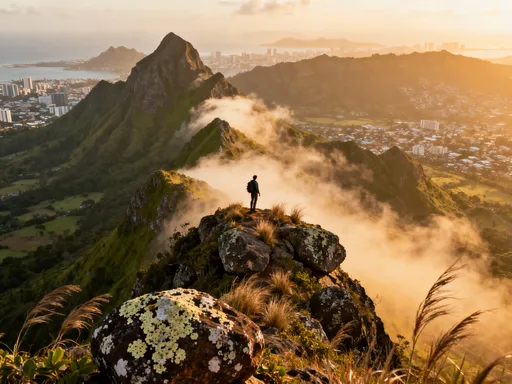
Rising 812 meters above sea level, Le Pouce Mountain stands as one of the most accessible yet profoundly rewarding natural escapes near Port Louis. Its name, French for “the thumb,” comes from its distinctive shape when viewed from certain angles in the city—a solitary peak jutting upward like a natural sentinel. Though it shares the same volcanic origin as the neighboring Pieter Both and La Nicolière, Le Pouce remains less crowded, offering hikers a sense of discovery even in broad daylight. The trail begins just outside the village of Papaye, where a modest sign marks the start of a path that winds steadily upward through a canopy of native trees and fragrant shrubs.
The ascent is moderate, suitable for travelers of varying fitness levels, and typically takes between 1.5 to 2.5 hours round trip. From the first steps, the air changes—cooler, fresher, carrying the scent of damp earth and eucalyptus. Ferns unfurl along the trail’s edges, and birdsong echoes through the trees, including the melodic call of the endemic Mauritius olive white-eye. As the path climbs, glimpses of Port Louis appear between the trees: rooftops scattered across the valley, the distant glint of the harbor, and the vast expanse of the Indian Ocean beyond. These fleeting views serve as both motivation and reward, reminding hikers of how quickly the city fades into the background.
Reaching the summit is a moment of quiet triumph. There are no grand monuments or commercial facilities—just a simple marker and a 360-degree panorama that stretches from the northern coast to the central highlands. On clear days, the silhouette of Round Island and the flat expanse of the northern islets are visible, while inland, the Black River Gorges National Park reveals its deep green folds. The descent offers its own rewards, with different perspectives of the surrounding peaks and valleys. For those seeking solitude, starting the hike early in the morning ensures not only cooler temperatures but also a greater chance of witnessing the mist rising from the forest floor, transforming the mountain into something almost mystical.
Preparation enhances the experience. Lightweight hiking shoes with good grip are recommended due to occasional slippery sections after rainfall. A daypack with water, a light snack, sunscreen, and a rain jacket covers most conditions. Because the trail is well-marked and maintained by local conservation groups, navigation is straightforward, making it ideal for independent exploration. More than just a physical journey, Le Pouce offers emotional renewal—an opportunity to step away from routine and reconnect with the natural world in a space that feels both intimate and expansive.
Where Waterfalls Whisper: The Hidden Cascades Beyond the City
While Port Louis hums with daily life, a network of hidden waterfalls lies within a two-hour drive, tucked into the foothills of the Black River Gorges. These cascades—some known only to locals, others gently gaining attention among mindful travelers—offer a different kind of magic. Unlike the dramatic falls of more commercialized regions, these are intimate, often surrounded by moss-covered basalt and ancient trees whose roots cling to rock faces. One such gem is Rochester Falls, nestled in a lush valley near the village of Plaine Champagne. Though not far from popular routes, it remains refreshingly uncrowded, especially on weekday mornings.
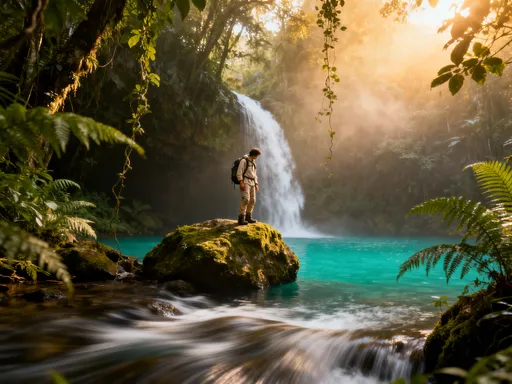
The approach to Rochester Falls begins with a short walk through a pine and eucalyptus forest, planted during colonial times but now integrated into the island’s ecological tapestry. As the path descends, the sound of rushing water grows, culminating in the sight of a slender curtain of water plunging about 25 meters into a clear, rocky pool below. The surrounding area is shaded, the air cool and misty, inviting visitors to sit on the smooth stones and simply listen. The pool is safe for wading in dry seasons, though swimming is best enjoyed cautiously and only when water levels are stable. Nearby, small streams feed into the main cascade, their paths marked by vibrant green moss and delicate ferns.
Seasonality plays a key role in the waterfall experience. During the summer months, from December to April, rainfall increases, swelling the streams and transforming the falls into powerful, thundering flows. In contrast, the winter dry season reveals more of the underlying rock formations, offering better photo opportunities and easier access to the pool’s edges. Regardless of the season, these sites demand respect. Local conservation initiatives, led by organizations like the Mauritian Wildlife Foundation, emphasize the fragility of these ecosystems. Invasive plant species, such as guava and privet, have historically threatened native flora, and ongoing efforts focus on restoration and trail maintenance.
Visitors are encouraged to follow Leave No Trace principles: carrying out all waste, avoiding loud noises, and staying on designated paths to prevent soil erosion. Some areas have informational signs in Creole, French, and English, explaining the importance of protecting endemic species like the pink pigeon and echo parakeet, whose habitats extend into these highland forests. By visiting responsibly, travelers contribute to the preservation of these spaces, ensuring that future generations can also experience the quiet joy of a hidden cascade, the cool kiss of mist on the skin, and the peace that comes from standing in a place where nature still speaks softly.
Coastal Magic: From Caudan Waterfront to Untouched Northern Shores
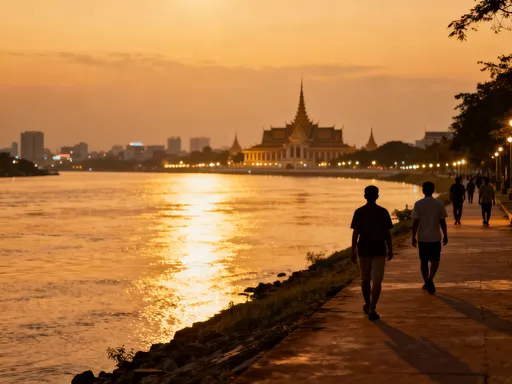
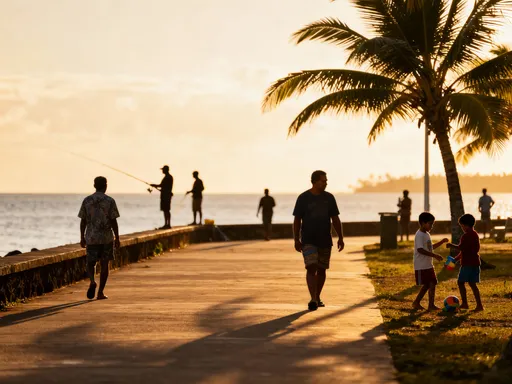
The relationship between Port Louis and the sea is both practical and poetic. Along the Caudan Waterfront, the city meets the ocean in a carefully curated space of promenades, outdoor cafés, and cultural landmarks. By day, families stroll beneath shaded walkways; by evening, the harbor lights reflect on calm waters, creating a gentle urban rhythm. Yet this polished coastline is only one face of Mauritius’s maritime soul. Just a short drive north, the landscape shifts dramatically—volcanic headlands give way to secluded bays, tide pools teem with marine life, and waves crash against ancient lava formations in a timeless dance.
The northern peninsula, particularly around Cap Malheureux and Trou aux Biches, reveals a different kind of coastal beauty. Here, the shoreline is a mosaic of textures: stretches of powdery white sand, pockets of coral rubble, and dramatic black rock formations that stand as silent testaments to the island’s volcanic birth. At low tide, natural pools form between the rocks, perfect for safe wading and snorkeling. The water, clear and warm, often reveals small fish darting among sea urchins and anemones. These areas are family-friendly, with lifeguard patrols during peak seasons and shaded picnic spots nearby.
Photographers and nature lovers will appreciate the golden hours—just after sunrise and before sunset—when the light bathes the red-roofed Notre-Dame Auxiliatrice church at Cap Malheureux in a soft glow, contrasting with the deep blue sea. This is also the best time for coastal walks, when the heat is gentle and the breeze carries the scent of salt and tropical blossoms. Tide patterns matter: visitors should consult local charts to avoid being caught in rising waters when exploring rocky inlets. Coastal safety is taken seriously, with clear signage and community watch programs ensuring that both residents and tourists enjoy the shore responsibly.
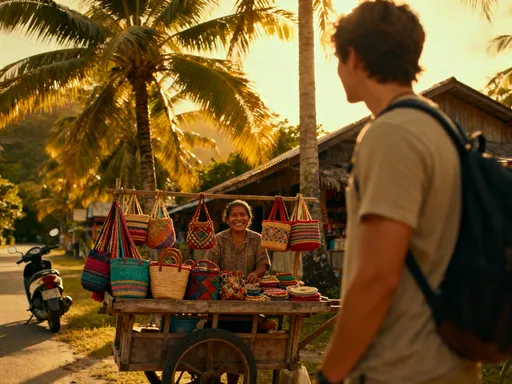
What makes these northern shores special is their balance of accessibility and serenity. Unlike some overdeveloped beach destinations, this region retains a sense of authenticity. Small family-run cafés serve fresh coconut water and grilled fish, and local artisans display hand-carved souvenirs at weekend markets. The sea here is not just a backdrop for relaxation—it is a living part of daily life, shaping traditions, diets, and rhythms. For travelers, it offers a chance to slow down, to walk barefoot on warm sand, to listen to the waves, and to remember that the ocean is not just a destination, but a companion on the journey.
Botanical Wonders: The Curepipe Botanical Garden and Highland Flora
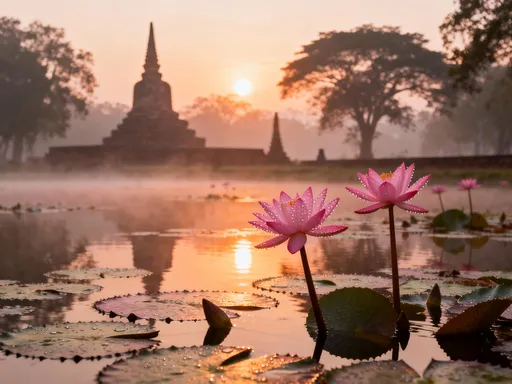
Perched in the cooler highlands near Curepipe, the Sir Seewoosagur Ramgoolam Botanical Garden—often called the Pamplemousses Garden—is one of the oldest and most cherished green spaces in the Indian Ocean. Established in the 18th century, it spans nearly 80 acres and serves as a living museum of tropical flora. Unlike manicured city parks, this garden breathes with history and biodiversity, its pathways winding beneath towering talipot palms, through groves of traveler’s palms, and alongside ponds blooming with giant Amazon water lilies. Each step reveals a new layer of botanical wonder, from fragrant frangipani trees to rare cycads that have survived since prehistoric times.
The garden’s elevation—around 300 meters above sea level—creates a microclimate ideal for plants that thrive in cooler, moist conditions. This allows for a rich diversity of species, including many endemic to Mauritius and nearby islands. The spice section introduces visitors to cinnamon, nutmeg, and clove trees, their leaves releasing aromatic oils when brushed by the breeze. Guided tours, offered in multiple languages, deepen the experience, sharing stories of how French and British botanists once used the garden for acclimatizing crops like sugar and coffee. Today, it also plays a vital role in conservation, housing protected species and serving as a breeding ground for native orchids.
For many visitors, the most striking feature is the double row of royal palms leading to the main pond. Planted in the 1770s, these stately trees form a grand avenue that feels both regal and serene. The pond itself is home to giant tortoises, some over a century old, that move slowly through the water, embodying patience and continuity. Benches along the paths invite quiet reflection, making the garden a sanctuary not just for plants, but for the human spirit. Parents bring children to feed the fish; couples walk hand in hand; solo travelers sit with journals, absorbing the calm.
Photography enthusiasts will find endless opportunities—from dewdrops on spiderwebs at dawn to the play of light through layered canopies. Early morning visits offer the best light and the fewest crowds, allowing for a more personal connection with the space. The garden is fully accessible, with paved walkways and clear signage, making it suitable for all ages. More than just a tourist attraction, it represents a commitment to preserving natural heritage, a green heart that continues to beat with life, history, and quiet beauty.
Why Nature Here Feels Different: The Volcanic Soul of Mauritius
To understand the emotional impact of Mauritius’s landscapes, one must look beneath the surface—to the island’s volcanic origin. Formed over a hotspot in the Indian Ocean millions of years ago, Mauritius is the exposed peak of a massive underwater volcano. Though dormant for thousands of years, its geological legacy shapes every aspect of the environment. The rich, dark soils that nourish sugarcane and tropical flowers are the result of weathered basalt. The dramatic cliffs along the southern coast, such as those at Le Morne Brabant, were carved by lava flows and centuries of erosion. Even the island’s round shape is a clue to its fiery birth, a near-perfect circle formed by successive eruptions.
This volcanic foundation creates ecosystems unlike any other. Isolated in the ocean, Mauritius developed unique species found nowhere else—such as the now-extinct dodo and the surviving echo parakeet. The varied elevations, from sea level to over 800 meters, produce distinct microclimates that support diverse vegetation. In the lowlands, humidity fosters dense rainforest; in the highlands, cooler temperatures allow for moss-covered forests and temperate plants. This vertical diversity means that within a single day, a traveler can experience coastal heat, mountain mist, and forest coolness—each zone with its own sounds, scents, and light.
There is a sensory quality to being in these landscapes that defies simple description. The air in the highlands carries a crispness absent in the city, scented with pine and damp earth. The colors—green of an intensity that seems almost unreal, the blue of the ocean deepening near volcanic reefs—feel more vivid, as if the island’s mineral richness amplifies perception. And the silence in remote areas is not empty, but full: the rustle of leaves, the distant call of a bird, the whisper of wind through tall grass. These moments of stillness are not escapes from life, but invitations to listen more deeply.
For the mindful traveler, understanding this geological story transforms sightseeing into meaning-making. It shifts the focus from “what” is seen to “why” it exists. The jagged coastline is not just picturesque—it is the edge of a once-overflowing crater. The fertile valley is not just scenic—it is the legacy of ash and lava turned to soil. This awareness fosters a deeper respect for the island, not as a static postcard, but as a living, evolving entity shaped by immense natural forces. It reminds us that beauty is not separate from process, but born from it.
How to Explore Responsibly: Practical Wisdom for Meaningful Journeys
As interest in authentic, nature-based travel grows, so does the responsibility to protect the places we visit. Port Louis and its surrounding landscapes are resilient, but they are not indestructible. The choices travelers make—what they take, what they leave, how they move—have lasting impacts. The good news is that mindful exploration is both simple and rewarding. Choosing eco-conscious tour operators, for example, supports local businesses committed to sustainability. Many guided hikes and garden visits now include environmental education, helping visitors understand the fragility and value of what they see.
Supporting local guides offers more than insight—it ensures that economic benefits stay within the community. These guides often share personal stories, historical knowledge, and hidden routes that enrich the journey far beyond a standard itinerary. Minimizing plastic use is another practical step. Carrying a reusable water bottle, refusing single-use bags, and bringing a cloth bag for market purchases reduce waste significantly. Public trash bins exist, but in remote areas, the rule should always be: pack it in, pack it out.
Timing matters. Visiting popular sites like the botanical garden or Le Pouce early in the week or during off-peak hours helps reduce crowding and preserves the tranquility of the space. Weather windows should be respected—summer months bring higher rainfall, which can make trails slippery and waterfalls dangerous. Checking local forecasts and heeding warning signs is not just wise, it’s essential. Transportation options include public buses, rental cars with GPS, and ride services, all of which allow flexibility while minimizing environmental strain when used responsibly.
Safety is also part of responsibility. Staying on marked trails prevents damage to plant life and reduces the risk of getting lost. Swimming only in designated areas, respecting wildlife habitats, and avoiding loud behavior in natural zones help maintain harmony. Above all, the goal is not to conquer nature, but to move through it with gratitude and awareness. Port Louis is more than a capital city—it is a gateway to a living landscape shaped by fire, water, and time. By traveling slowly, quietly, and with care, visitors do more than see its beauty. They become part of its continued story, leaving not footprints in the ecological sense, but a legacy of respect and wonder.