You Won’t Believe These Hidden Shopping Spots in Toulouse
Tucked away in southern France, Toulouse isn’t just about pink terracotta rooftops and aerospace museums—its real magic lies in the quiet alleys where locals hunt for treasures. I stumbled upon markets, boutiques, and artisan corners most tourists miss. If you're craving authentic finds beyond the usual souvenirs, this city delivers. Let me take you through the under-the-radar shopping gems that make Toulouse unforgettable. These are not the glossy storefronts lining main plazas, but intimate spaces where craftsmanship meets culture, where every purchase tells a story, and where the rhythm of daily life unfolds in the rustle of fabric, the chime of a shop bell, and the warm exchange between maker and visitor. In Toulouse, shopping becomes a quiet journey into the soul of the city.
The Allure of Off-the-Beaten-Path Shopping in Toulouse
Travel has evolved beyond checklist tourism. Today’s mindful traveler seeks connection, authenticity, and experiences that linger long after the suitcase is unpacked. In Toulouse, this desire is perfectly met not in crowded department stores, but in its network of hidden shopping spots—places where the local heartbeat is strongest. These are not designed for mass consumption; they are spaces shaped by tradition, personal passion, and regional pride. When you step into a small atelier or a tucked-away market stall, you’re not just browsing items—you’re encountering stories. The artisan who spent weeks weaving a silk scarf, the potter whose glaze recipe has been passed down for generations, the perfumer who captures the scent of Midi lavender and rain-washed stone—these creators infuse their work with identity, and Toulouse wears that identity proudly.
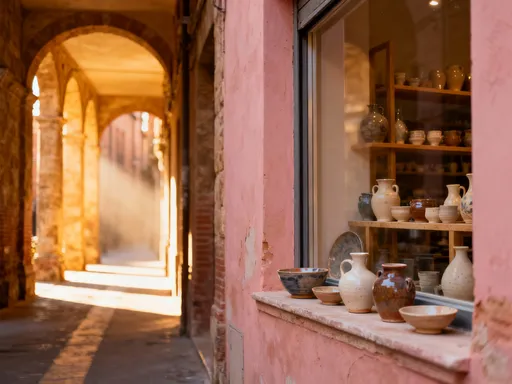
What makes these off-the-beaten-path locations so compelling is their resistance to homogenization. Unlike global retail chains that offer the same products from Paris to Tokyo, Toulouse’s hidden shops celebrate uniqueness. You won’t find mass-produced trinkets here; instead, you’ll discover pieces rooted in Occitan heritage, from textiles dyed with local plants to ceramics inspired by the city’s distinctive pink brick architecture. This authenticity transforms shopping from a transaction into a meaningful interaction. It slows the pace of travel, encouraging conversation, curiosity, and appreciation. You begin to see the city not as a postcard, but as a living, breathing community.
Moreover, choosing to shop locally supports the preservation of traditional crafts that might otherwise fade. In an age of fast fashion and disposable goods, these small businesses are quiet acts of resistance—keeping skills alive, sustaining livelihoods, and maintaining cultural continuity. For the visitor, this means every purchase carries weight. A hand-painted tile isn’t just décor; it’s a fragment of Toulouse’s artistic legacy. A jar of wildflower honey isn’t just a snack; it’s a taste of the surrounding countryside. By seeking out these hidden spots, travelers become part of a larger story—one of sustainability, respect, and shared humanity. This is the true allure: not just what you buy, but the connection you make.
Marché des Carmes: More Than Just a Food Market
At first glance, Marché des Carmes appears to be a feast for the palate, and rightly so. Housed in a striking 19th-century iron and glass pavilion, this covered market has long been a cornerstone of Toulouse’s culinary life. Locals arrive early, baskets in hand, drawn by the aroma of freshly baked baguettes, the ruby glow of ripe strawberries, and the pungent scent of aged Roquefort cheese. Yet beneath its reputation as a food lover’s paradise lies a quieter, equally rewarding dimension: its growing community of artisan vendors. While the market’s roots are in regional produce, it has organically evolved into a lifestyle destination where craft and cuisine coexist in harmonious balance.
Wander beyond the cheese and charcuterie stalls, and you’ll find tucked-away tables offering handmade soaps infused with lavender and honey, small-batch preserves made from orchard fruits, and jars of golden honey harvested from hives in the nearby Lauragais countryside. These are not afterthoughts; they are carefully curated additions that reflect the market’s commitment to local authenticity. One vendor, a third-generation beekeeper from Castelnaudary, shares stories of seasonal migration with his hives, explaining how the terroir shapes the flavor of each harvest. Another, a ceramicist from Mirepoix, displays delicate bowls glazed in earthy tones reminiscent of Toulouse’s rooftops. These creators often work in limited quantities, making their items feel like discoveries rather than commodities.
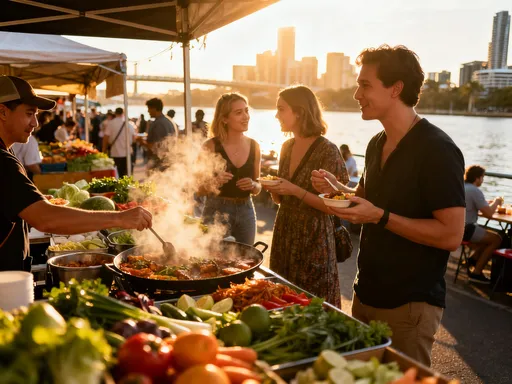
The sensory experience of Marché des Carmes is immersive. The morning light filters through the glass ceiling, casting dappled patterns on stone tiles. Vendors call out greetings in French and Occitan, their voices blending with the clink of jars and the rustle of paper bags. The air is layered with scents—smoked sausage, ripe melon, rosemary, and beeswax—creating a tapestry of the region’s bounty. For the thoughtful shopper, the challenge isn’t finding something to buy, but choosing among so many compelling options. The key is to arrive early, move slowly, and engage. Ask questions. Learn the name of the producer. Taste before you buy. In doing so, you transform a simple purchase into a moment of connection, turning groceries into keepsakes and ingredients into memories.
Rue des Changes and Its Secret Boutiques
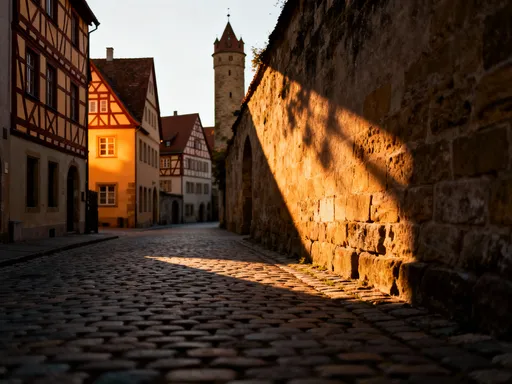
Just steps from the bustling Place du Capitole, Rue des Changes offers a striking contrast to the surrounding tourist energy. This narrow, cobblestone street, lined with 17th-century buildings adorned with carved stone facades, feels like a secret passage through time. Once a hub for money changers during the Renaissance, it now quietly hosts a collection of independent boutiques that blend history with contemporary design. These are not the loud, branded shops that dominate main avenues, but intimate spaces where craftsmanship and regional identity take center stage. Here, shopping becomes an act of discovery, each doorway promising something unexpected.
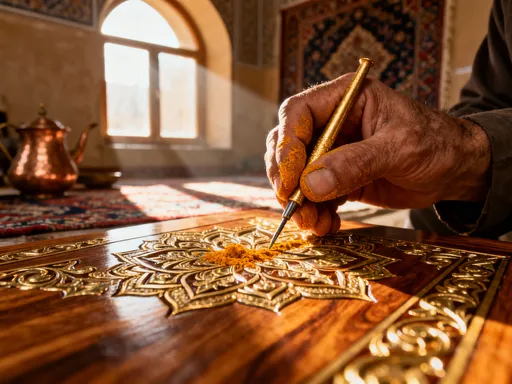
One boutique specializes in textiles dyed with natural pigments derived from local plants—weld for yellow, madder root for red, and indigo for deep blue. The owner, a textile artist trained in traditional Occitan methods, explains how these dyes interact with organic cotton and silk, creating subtle variations that no machine could replicate. Another shop features jewelry inspired by Toulouse’s architectural details—the curve of a Gothic arch, the pattern of a wrought-iron balcony, the geometry of a terracotta tile. Each piece is handcrafted, often using recycled silver, and comes with a small card describing its muse. These are not merely accessories; they are wearable tributes to the city’s aesthetic.
What sets Rue des Changes apart is its resistance to commercialization. The boutiques are small, often run by the artists themselves, and inventory rotates with the seasons. You won’t find price tags in bold fonts or flashy displays. Instead, items are arranged with care, inviting close inspection. This is shopping as contemplation. The experience encourages mindfulness—slowing down, observing detail, appreciating process. For the discerning traveler, this is where you learn to distinguish authentic craftsmanship from mass-produced souvenirs. Look for signs of handwork: slight irregularities in stitching, variations in dye, or the weight of solid metal in a bracelet. These imperfections are not flaws; they are proof of human touch, and they carry a value no factory-made item can match.
Les Abattoirs’ Cultural Quarter & Artisan Pop-Ups
The area surrounding Les Abattoirs, Toulouse’s renowned museum of modern and contemporary art, pulses with creative energy. Housed in a former slaughterhouse, the museum itself is a symbol of transformation—where industrial history has given way to artistic innovation. This spirit extends beyond the gallery walls, spilling into the surrounding streets during cultural festivals and seasonal events. It is here, in the converted warehouses and open courtyards, that temporary markets and pop-up shops emerge, offering a dynamic, ever-changing shopping experience unlike any other in the city.
During events like the *Fête des Lumières* or the *Printemps de Septembre*, the neighborhood becomes a stage for experimental design. Young designers showcase fashion collections made from upcycled materials—denim jackets refashioned with vintage lace, dresses constructed from repurposed parachute silk. Micro-galleries display limited-edition prints, hand-bound books, and ceramic sculptures that blur the line between art and object. These pop-ups are often collaborative, with artists sharing space and ideas, creating a sense of community and shared purpose. For visitors, this means access to truly unique pieces—items that may never be produced again, making each purchase a kind of serendipity.
What makes these events especially memorable is the integration of shopping with immersive experiences. As night falls during the *Fête des Lumières*, the streets glow with light installations—projections on historic walls, floating lanterns over the Garonne, kinetic sculptures that respond to sound. Amid this magic, artisan stalls offer handmade candles, embroidered pouches, and scented sachets, their wares illuminated in soft, flickering light. Shopping here feels less like commerce and more like participation in a living festival. The boundaries between viewer, creator, and collector dissolve. You’re not just buying an object; you’re taking home a fragment of a moment, a piece of Toulouse’s creative soul captured in time.
Village de la Soie: A Quiet Escape with a Creative Twist
On the quieter outskirts of Toulouse, nestled in the village of Laribal, lies a hidden gem known as Village de la Soie. Once a thriving silk-making hamlet in the 19th century, this cluster of restored stone buildings has been reborn as a center for textile artistry and sustainable craftsmanship. Far from the urban bustle, it offers a peaceful retreat where time slows and creativity flourishes. This is not a commercial complex, but a living workshop where artisans practice their craft in full view, inviting visitors to observe, learn, and engage.
The heart of Village de la Soie is its working ateliers. Here, master weavers operate traditional looms, their hands moving with practiced rhythm as they create scarves, shawls, and wall hangings from fine silk and organic cotton. Natural dyes are prepared on-site using plants like woad, marigold, and eucalyptus, resulting in colors that shift subtly in different lights. Visitors can watch live demonstrations, ask questions, and even try their hand at basic weaving under guidance. The experience is both educational and meditative, offering insight into a craft that demands patience, precision, and deep respect for materials.
What makes this destination particularly meaningful is its commitment to sustainability and slow fashion. Each piece produced here is made in small batches, often to order, minimizing waste and ensuring quality. The artisans emphasize transparency—explaining where fibers are sourced, how dyes are prepared, and why certain techniques are used. For the conscious consumer, this is shopping with integrity. A silk scarf from Village de la Soie isn’t just beautiful; it’s a statement of values. It supports ethical labor, environmental responsibility, and the preservation of heritage skills. And because the setting is so serene—the sound of birds, the scent of wild herbs, the gentle clack of looms—it leaves a lasting emotional imprint. You don’t just take home an object; you carry back a sense of calm, a memory of craftsmanship in its purest form.
Practical Tips for Exploring Toulouse’s Hidden Shopping Scene
To fully enjoy Toulouse’s lesser-known shopping destinations, a bit of planning enhances the experience. Begin your day early—many markets and small boutiques open around 8:30 or 9 a.m., and arriving in the morning ensures a more relaxed atmosphere, especially at popular spots like Marché des Carmes. Weekdays are ideal, as weekends can bring larger crowds, particularly in the city center. Avoid midday heat in summer by scheduling outdoor explorations for the cooler morning hours.
Transportation within Toulouse is efficient and traveler-friendly. The metro system, particularly Line A, connects key areas with ease. To reach Rue des Changes or Marché des Carmes, take Line A to Capitole station. For Village de la Soie, consider a short bus ride or a scenic bike trip along the Canal du Midi—Toulouse’s VélôToulouse bike-sharing system offers convenient access. When visiting pop-up events near Les Abattoirs, check the museum’s event calendar in advance, as many artisan fairs coincide with exhibitions or festivals.
Prepare wisely: carry small bills and coins, as many small vendors do not accept credit cards. A reusable shopping bag is both practical and environmentally considerate, especially when purchasing food items or delicate textiles. While English is spoken in some shops, making an effort to greet shop owners with a simple 'Bonjour' or 'Merci' in French is appreciated and often opens the door to warmer interactions. Respect the pace of these spaces—these are not places to rush. Take time to look, ask questions, and listen. If photography is allowed, always ask permission, especially when people are working.
Finally, be mindful of where you direct your spending. While the area around Capitol Square is lively, it is also home to many generic souvenir shops selling imported goods with little connection to Toulouse. By choosing to explore quieter streets, markets, and artisan villages, you support the local economy in a meaningful way. Your presence validates the work of small creators and helps sustain the cultural fabric of the city. A little awareness goes a long way in ensuring your shopping journey is as responsible as it is rewarding.
Why Authentic Shopping Enhances Your Travel Experience
In the end, travel is not measured in miles, but in moments that resonate. And few experiences create deeper resonance than discovering something truly authentic—something made with care, rooted in place, and shared with intention. In Toulouse, the act of shopping transcends utility. It becomes a form of storytelling, a way to carry a piece of the city’s spirit home with you. Whether it’s a hand-painted tile from a Rue des Changes boutique, a jar of honey from Marché des Carmes, or a silk scarf woven in Laribal, these items are more than objects. They are vessels of memory, each one tied to a face, a conversation, a moment of connection.
Authentic shopping also transforms the way we travel. It encourages us to slow down, to look closer, to engage with communities rather than merely pass through them. It shifts the focus from consumption to appreciation, from acquisition to understanding. When you buy directly from an artisan, you’re not just funding a product; you’re supporting a livelihood, preserving a tradition, and participating in cultural continuity. This is responsible tourism at its most personal and powerful.
Moreover, these meaningful purchases become heirlooms of experience. Unlike mass-produced souvenirs that gather dust, handcrafted items invite touch, use, and reflection. A ceramic bowl becomes the centerpiece of a dinner table, sparking stories of Toulouse’s markets. A hand-dyed scarf is worn with pride, a quiet reminder of the artisans who keep ancient methods alive. These objects enrich daily life, turning ordinary moments into echoes of travel.
Toulouse, with its mosaic of hidden shops and creative corners, invites travelers to look beyond the obvious. It rewards curiosity, patience, and an open heart. The city’s true treasures are not always marked on maps or highlighted in guidebooks. They are found in the quiet hum of a loom, the warmth of a shopkeeper’s smile, the weight of a handmade object in your hands. So the next time you visit, let go of the itinerary for a moment. Wander without urgency. Let Toulouse reveal itself—not in grand gestures, but in small, beautiful details. Because sometimes, the most unforgettable souvenirs are the ones you never knew you were searching for.