You Won’t Believe What I Found in Tunis — Hidden Gems & Local Treasures Uncovered
Tunis isn’t just about ancient medinas and blue-and-white alleys — it’s a treasure hunt for unique specialty products you won’t find anywhere else. I went off the beaten path, chatting with artisans and sniffing out local markets, and what I discovered blew my mind. From hand-blown glass to saffron-infused soaps, every item tells a story. This is more than shopping — it’s connecting with culture, one authentic find at a time.
Stepping Into the Soul of Tunis: A City That Crafts Its Identity
Tunis pulses with a rhythm shaped by centuries of layered history, where Phoenician roots, Roman ruins, Islamic scholarship, and Mediterranean trade converge into a living cultural mosaic. Unlike cities that preserve tradition behind glass, Tunis breathes it into daily life. The city’s identity isn’t confined to museums or monuments — it’s etched into doorways, woven into fabrics, and stirred into spice blends sold in corner souks. This authenticity makes Tunis a rare destination where tourism doesn’t just observe culture but can participate in it, especially through its specialty crafts.
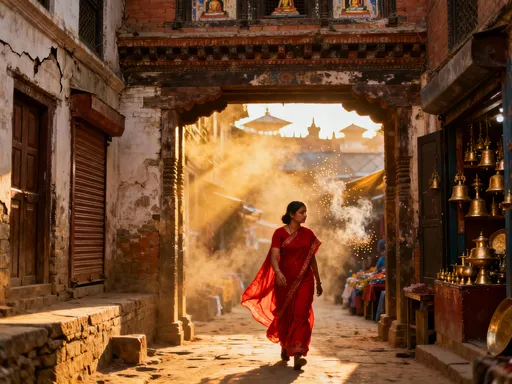
The Medina of Tunis, designated a UNESCO World Heritage site in 1979, is the beating heart of this cultural expression. With over 700 historical monuments within its walls, including mosques, madrasas, and fountains, the Medina is not a frozen relic but a dynamic urban space where families live, artisans work, and merchants barter as they have for generations. Its narrow, winding alleys are lined with workshops where the scent of cedar wood, hot metal, and drying clay linger in the air. Each turn reveals another layer of craftsmanship — a coppersmith shaping a teapot, a perfumer bottling rosewater, a bookbinder repairing an old Qur’an.
What sets Tunis apart from other historic cities is the continuity of its artisanal traditions. While many Mediterranean capitals have seen their local crafts diluted by mass tourism and global imports, Tunis has maintained a strong network of skilled makers who take pride in their heritage. This pride is not performative — it’s practical, passed down through apprenticeships and family workshops. The city’s crafts are not marketed as nostalgic novelties but are still used in everyday life, from the olive wood spoons in home kitchens to the hand-stitched leather babouches worn by elders in the souk.
This deep-rooted connection between identity and craft makes Tunis an ideal destination for travelers seeking meaningful experiences. When you purchase a piece made here — a ceramic tagine, a woolen shawl, a bar of olive oil soap — you’re not buying a generic souvenir. You’re acquiring an object that embodies local knowledge, seasonal rhythms, and personal dedication. The city’s artisans don’t merely replicate old designs; they interpret them, ensuring that tradition evolves without losing its soul. In this way, Tunis invites visitors to become part of a living culture, one thoughtful acquisition at a time.
The Medina’s Secret: Where Artisans Keep Ancient Crafts Alive
Beneath the surface of Tunis’s bustling souks lies a quiet world of focused creation — the workshops where artisans practice crafts nearly lost elsewhere in the modern world. These spaces, often tucked behind unmarked doors or up narrow staircases, are where centuries-old techniques are preserved through daily repetition and meticulous care. Here, time moves differently. There are no assembly lines, no digital blueprints, no rush to meet bulk orders. Instead, there is the steady rhythm of hands shaping materials with patience and precision, guided by memory more than machinery.
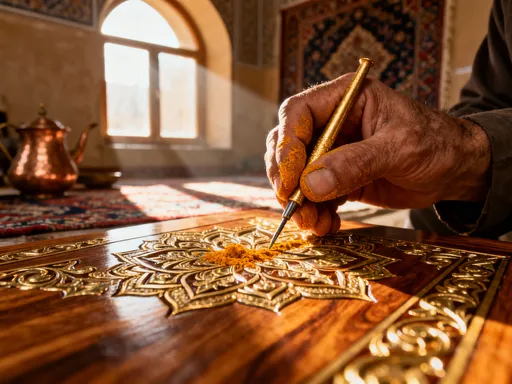
One of the most remarkable aspects of Tunis’s artisan community is its intergenerational continuity. Many workshops are family-run, with skills passed from grandfather to father to son, or from mother to daughter in women-led cooperatives. In the Dar Lasram district, a historic mansion turned cultural center, visitors can observe master craftsmen demonstrating traditional methods in open studios. A potter may work a foot-powered wheel, shaping clay into elegant forms using only a damp cloth and a wooden rib. Nearby, a weaver sits at a vertical loom, her hands flying as she creates intricate patterns in wool and cotton, each thread guided by muscle memory developed over decades.
These artisans face challenges in the modern economy. Competition from cheap, imported goods threatens their livelihoods, and younger generations are often drawn to more lucrative or less physically demanding professions. Yet, many persist, driven by a sense of duty to their craft and community. Some have adapted by collaborating with designers to create contemporary versions of traditional items, making them appealing to international buyers without sacrificing authenticity. Others have embraced slow tourism, offering short workshops where travelers can try their hand at pottery, weaving, or metal engraving, creating a deeper appreciation for the skill involved.
Supporting these artisans is more than an act of fair trade — it’s a form of cultural preservation. Each hand-hammered brass lamp, each hand-embroidered cushion cover, represents knowledge that cannot be easily replicated. When you buy directly from a craftsman in Tunis, you help sustain a tradition that might otherwise fade. More than that, you engage in a human exchange — a conversation about materials, methods, and meaning. This connection transforms a simple transaction into a moment of shared understanding, reinforcing the value of handmade beauty in an increasingly automated world.
From Clay to Color: The Magic of Tunisian Ceramics
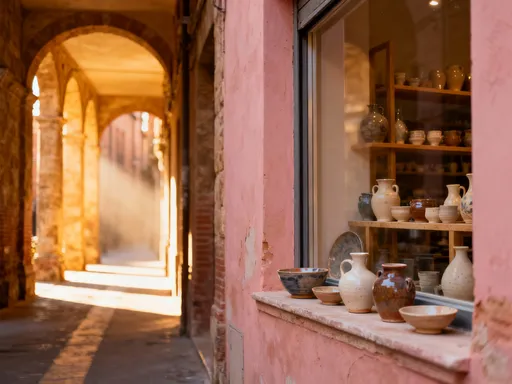
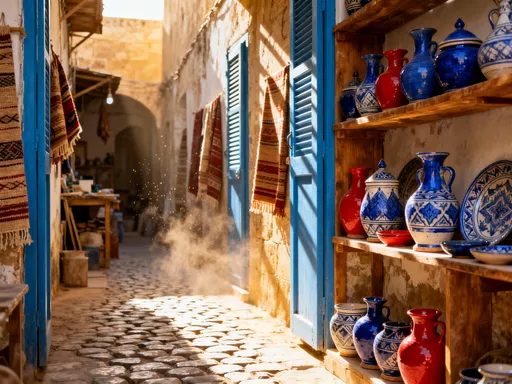
Tunisian ceramics are among the most recognizable and cherished expressions of the country’s artistic heritage. Known for their vibrant colors, intricate patterns, and functional elegance, these hand-painted pieces are more than decorative objects — they are vessels of history, shaped by Berber, Arab, Andalusian, and Ottoman influences. While ceramics are produced throughout Tunisia, the coastal towns of Sidi Bou Said and La Marsa have become particularly renowned for their distinctive styles, where cobalt blues, emerald greens, and saffron yellows dance across plates, bowls, and tagines in harmonious designs.
The process of creating Tunisian ceramics is both labor-intensive and deeply symbolic. Artisans begin with locally sourced clay, which is cleaned, kneaded, and shaped on a wheel or in molds. After the first firing, the pieces are hand-painted using natural pigments — manganese for black, copper for green, cobalt for blue. The designs often include geometric motifs, floral patterns, or calligraphic elements, each carrying cultural significance. For example, the eight-pointed star, a common motif, symbolizes protection and balance, while stylized palm trees represent prosperity and resilience.
What distinguishes authentic Tunisian ceramics from mass-produced imitations is not just the quality of the paint or glaze, but the irregularities that come from human touch. No two pieces are exactly alike. A slight wobble in the rim, a brushstroke that extends beyond the line, a variation in color intensity — these are not flaws, but signatures of authenticity. In Sidi Bou Said, many studios welcome visitors to watch the painting process, offering a rare glimpse into the concentration and artistry required. Some even allow guests to paint a small tile under guidance, a hands-on experience that deepens appreciation for the craft.
For travelers, collecting Tunisian ceramics is a way to bring a piece of the culture home. But it’s important to shop thoughtfully. Authentic pieces are usually heavier, with a matte or semi-gloss finish, and the paint adheres smoothly without chipping. They are often signed or stamped by the artisan or workshop. Buying from official cooperatives or certified studios ensures that your purchase supports the maker directly. When you use a hand-painted tagine to cook a meal or display a ceramic platter on your wall, you’re not just enjoying a beautiful object — you’re continuing a legacy of craftsmanship that has shaped Tunisian life for generations.
Spice Trails and Scented Stories: The World of Tunisian Perfumed Soaps & Oils
Step into any traditional souk in Tunis, and within moments, your senses are enveloped in a tapestry of scents — warm olive oil, crushed mint, dried lavender, and the delicate sweetness of orange blossom. At the heart of this aromatic landscape are the perfumed soaps and oils that have been crafted in Tunisia for centuries. These are not the synthetic, mass-market bars found in supermarkets, but natural products made through cold-saponification, a method that preserves the integrity of the ingredients and produces a rich, moisturizing lather.
Tunisian olive oil soap, known locally as *savon noir* or black soap, is one of the country’s most iconic skincare products. Made from pressed olive oil and potash derived from wood ash, it has been used for generations as a cleanser, exfoliant, and hair treatment. The dark green or amber bars are often infused with additional botanicals — chamomile for calming, eucalyptus for clarity, or saffron for radiance. Small producers in the Medina still make these soaps in small batches, pouring the mixture into wooden molds and cutting them by hand after several weeks of curing.
Beyond soap, Tunisia’s perfumery tradition is deeply rooted in its agricultural abundance. The country’s coastal regions are ideal for growing aromatic plants, and distilleries in towns like Zaghouan and Beja produce essential oils from rose, jasmine, and myrtle. These are used in both personal care and ceremonial contexts — a few drops of orange blossom water might be sprinkled on a guest’s hands as a gesture of welcome, or lavender oil used to scent linens in a bride’s trousseau. Many of these products are sold in small, unlabeled bottles in the souk, their contents known only to those who ask the right questions.
What makes these scented products so meaningful is their connection to memory and ritual. A bar of mint-infused soap might remind an elder of childhood baths in a courtyard fountain; a vial of rose oil could carry the scent of a grandmother’s perfume. For travelers, these items are more than souvenirs — they are sensory time capsules. Using them at home can evoke the warmth of Tunisian hospitality, the quiet beauty of a morning in the Medina, or the joy of sharing tea with a local artisan. By choosing natural, locally made products, visitors also support sustainable practices that honor Tunisia’s land and traditions.
Textiles with a Tale: Woven Heritage in Every Thread
In a world of fast fashion and disposable clothing, Tunisian textiles stand as a testament to slow, intentional creation. From the thick woolen blankets of the Kairouan region to the finely embroidered wedding dresses of the Sahel, each piece is a labor of love, often taking weeks or even months to complete. These textiles are not merely functional — they are carriers of identity, with patterns and colors that communicate regional origin, marital status, or spiritual beliefs.
One of the most celebrated textile traditions in Tunisia is the weaving of the *keswa*, the elaborate bridal costume worn in central regions. Composed of multiple layers — a velvet bodice, a gold-threaded belt, and a heavily embroidered veil — the keswa is traditionally made by female relatives over the course of a year. The motifs stitched into the fabric — cypress trees for eternity, birds for freedom, stars for divine guidance — are rich with symbolism. Though fewer women wear the full keswa today, the techniques are preserved in cooperatives that train young weavers and adapt designs for modern use, such as wall hangings or cushion covers.
In rural areas, women’s cooperatives play a vital role in sustaining textile crafts. In the village of Nabeul, for example, a collective of artisans uses natural dyes made from pomegranate peels, henna, and indigo to color wool before weaving it on traditional looms. These cooperatives not only provide economic independence but also serve as cultural hubs where knowledge is shared and preserved. Visitors can tour these workshops, observe the dyeing process, and even try their hand at basic weaving techniques.
When purchasing Tunisian textiles, it’s important to look for signs of authenticity. Hand-loomed fabrics have slight irregularities in tension and pattern, unlike machine-made imitations. Natural dyes fade gradually, creating a soft, lived-in look over time. Buying directly from cooperatives or certified artisans ensures that your money supports the creators, not middlemen. A handwoven blanket or embroidered pillow isn’t just a decorative item — it’s a piece of living history, woven with care and meaning.
Taste as Discovery: Edible Specialties That Define Tunisian Identity
No exploration of Tunisian culture is complete without engaging the palate. The country’s culinary specialties are not just foods — they are expressions of geography, seasonality, and tradition. From the fiery red paste of harissa to the golden sweetness of date honey, each product tells a story of land, labor, and legacy. These edible treasures are often produced in small batches by family-run operations, using methods unchanged for generations.
Harissa, Tunisia’s most famous condiment, is a perfect example. Made from roasted red peppers, garlic, caraway, and olive oil, it is both a flavor enhancer and a cultural symbol. In 2017, the European Union granted harissa Protected Geographical Indication (PGI) status, recognizing its unique link to Tunisian terroir. Authentic harissa is never shelf-stable in the way commercial versions are — it’s alive, fermenting slightly in its jar, developing deeper flavor over time. Local producers in the village of Testour still grind the ingredients in stone mortars, preserving the texture and aroma lost in industrial processing.
Other edible specialties include sun-dried tomatoes preserved in olive oil, capers harvested from coastal cliffs, and dates from the southern oases of Tozeur and Gabès. In the Atlas Mountains, beekeepers harvest wildflower honey from hives placed in remote valleys, producing a complex, floral-tasting honey unlike any mass-produced alternative. These foods are often sold in small ceramic jars or cloth-wrapped bundles in the souk, their labels handwritten or absent altogether.
For travelers, tasting these products is an act of cultural immersion. A breakfast of fresh bread dipped in olive oil and sprinkled with za’atar, a lunch featuring a tagine simmered with preserved lemons and olives, or a sunset tea sweetened with date syrup — each meal is a lesson in Tunisian values: hospitality, simplicity, and respect for nature. By seeking out authentic, locally made foods, visitors support sustainable agriculture and small-scale producers, ensuring that these traditions continue for future generations.
How to Shop with Purpose: Ethical Tips for Meaningful Finds
Shopping in Tunis can be overwhelming — the souks are labyrinthine, the bargaining culture unfamiliar, and the authenticity of goods not always obvious. But with a mindful approach, it can also be one of the most rewarding aspects of the trip. The key is to shift from souvenir hunting to relationship building. Instead of rushing from stall to stall, take time to talk to artisans, ask about their process, and understand the value of what they create. This not only leads to better purchases but fosters mutual respect.
One of the best ways to ensure authenticity is to buy directly from workshops or cooperatives. Look for official signs indicating a *coopérative artisanale* or *atelier de création*. These spaces often have fixed prices, eliminating the pressure of haggling and ensuring fair compensation. If you’re in a souk, ask vendors about the origin of their goods — a genuine artisan will be proud to explain their craft. Be wary of items that seem too perfect or too cheap; machine-made imitations often lack the subtle imperfections that signal handmade quality.
Bargaining, when appropriate, should be done respectfully. Begin by asking the price, then offer a slightly lower amount — never less than 70% of the initial quote. The goal is not to win but to reach a fair agreement. Remember that for many artisans, each sale represents hours of work and days of preparation. Paying a fair price supports their livelihood and encourages the continuation of their craft.
Finally, consider the story behind your purchase. Will this item be used, displayed, or gifted? Does it reflect the values of sustainability and cultural respect? When you choose a hand-painted ceramic bowl over a plastic trinket, or a bar of natural soap over a synthetic one, you’re making a statement about what kind of traveler you want to be. In doing so, you help preserve the very traditions that make Tunis so special.
Conclusion
Discovering Tunis through its specialty products transforms a simple visit into a rich, human-centered journey. Each item — whether ceramic, soap, cloth, or spice — carries the soul of its maker and the spirit of a place deeply rooted in tradition yet evolving with care. By choosing to seek out and value these authentic creations, travelers don’t just take something home — they become part of a legacy worth preserving. In a world that often prioritizes speed and convenience, Tunis reminds us of the beauty of patience, craftsmanship, and connection. And that, more than any souvenir, is the true treasure of this remarkable city.