You Gotta See Phnom Penh From These Viewpoints — Honestly Mind-Blowing
If you think Phnom Penh is just traffic, heat, and hustle, trust me — you’re missing the magic. I didn’t get it at first either. But from rooftop silhouettes against golden sunsets to quiet riverfront moments where the city breathes, this place reveals itself in layers. These aren’t just photo spots — they’re perspectives that change how you see Cambodia’s capital. Let me show you where to look, when to go, and why seeing Phnom Penh from above, beside, and within makes all the difference.
Why Viewpoints Matter in a City Like Phnom Penh
In any bustling city, the first impression often comes from the street level — and in Phnom Penh, that means a whirl of motorbikes, sidewalk vendors, and the rhythmic pulse of daily life. But to truly understand a place like Cambodia’s capital, one must rise above the noise, both physically and mentally. Viewpoints offer more than scenic backdrops; they provide clarity. From elevated vantage points, the apparent chaos resolves into patterns — traffic flows like water, rivers carve through districts, and green spaces emerge like oases. This shift in perspective is not just visual; it’s emotional and psychological. Studies in environmental psychology suggest that elevated views can reduce stress and increase feelings of control and awe, two emotions particularly valuable when navigating an unfamiliar urban landscape.
Phnom Penh, in particular, benefits from this kind of layered observation. Its identity is not monolithic. It is a city shaped by centuries of history, from ancient river trade to French colonial planning, from postwar resilience to modern economic growth. When you view it from above — whether from a rooftop, bridge, or temple mound — you begin to see these layers not as abstract concepts, but as visible realities. The contrast between traditional wooden stilt houses and sleek glass towers, between serene pagodas and bustling markets, becomes part of a coherent, evolving story. This kind of awareness fosters deeper cultural connection. Instead of merely passing through, you start to feel the rhythm of the city, to sense its breath, its pauses, its surges.
Moreover, taking time to observe from different angles encourages mindfulness in travel. It slows the pace. It replaces checklist tourism with reflective experience. A woman watching the sunset from a riverside bench, a monk walking through morning mist near a temple, children laughing in a narrow alley — these moments are not found by rushing. They reveal themselves to those who pause, who look, who stay still long enough to see. In Phnom Penh, where the surface energy can feel overwhelming, finding viewpoints becomes an act of both discovery and self-regulation. It allows visitors to engage with the city on their own terms, to balance immersion with introspection.
Sunset at the Royal Palace and Riverside Promenade
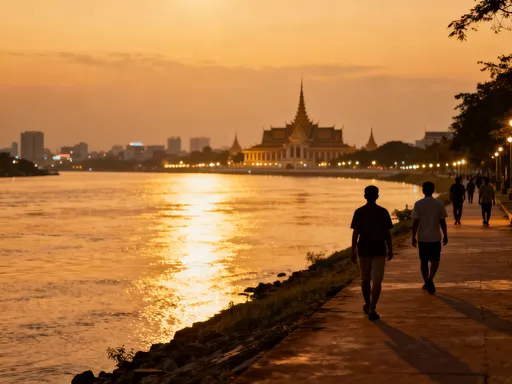
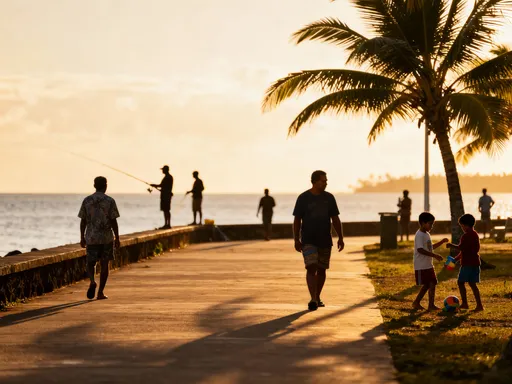
One of the most timeless ways to experience Phnom Penh is from the western edge of the Royal Palace grounds, where the Mekong and Tonlé Sap rivers converge in a slow, golden embrace. As the sun begins its descent, the sky transforms into a canvas of amber, rose, and deep violet, casting a warm glow over the palace’s golden spires and reflective tiles. This is not just a visual spectacle; it’s a daily ritual witnessed by locals and visitors alike. The riverside promenade, known as Sisowath Quay, becomes a gentle artery of calm, where families stroll, couples sit on benches, and elderly residents practice tai chi or simply watch the water flow.
The view from this stretch offers a rare sense of order amidst the city’s kinetic energy. The rivers act as natural boundaries, framing the skyline and softening the urban edges. On the far side of the Mekong, the emerging skyline of Chroy Changvar hints at Phnom Penh’s expansion, while the silhouette of the Phnom Penh Special Economic Zone adds a modern contrast to the historic heart of the city. Yet, the dominant feeling here is serenity. The air cools, the light softens, and the sounds of the city — honking horns, distant music, street vendors calling out — fade into a soothing background hum.
To make the most of this experience, timing is essential. Arrive between 5:30 and 6:00 PM during the dry season (November to April) for the clearest skies and most vibrant colors. Wear light, breathable clothing and bring a small bottle of water — the walkways offer little shade in the late afternoon. While the area is safe and well-trafficked, it’s wise to stay aware of your surroundings, especially if carrying valuables. Avoid the busiest weekends if you prefer a quieter moment; weekday evenings tend to be more relaxed. There’s no entrance fee to access the riverside path, and photography is welcome, though always be respectful when photographing locals.
What makes this viewpoint special is not just the scenery, but the shared human experience. You’ll notice how Cambodians of all ages gather here not for spectacle, but for peace. It’s a space for reflection, for connection, for breathing. As the last light dips below the horizon, the city lights begin to flicker on — streetlamps, apartment windows, the occasional passing boat. In that transition, Phnom Penh reveals a quieter, more intimate side, one that doesn’t shout but whispers. And sometimes, it’s the whispers that stay with you the longest.
Rooftop Vibes: Where the City Lights Come Alive
When night falls, Phnom Penh transforms. The heat lifts, the pace shifts, and a different kind of energy emerges — one best appreciated from above. Rooftop spaces, once limited to luxury hotels, are now part of the city’s evolving social fabric. These are not just tourist attractions; they are where locals and expats gather to unwind, sip drinks, and watch the city sparkle. The best of them balance atmosphere with authenticity, offering views without the pretense. Think wooden stools, ceiling fans, and low-key service — not velvet ropes or inflated cocktail prices.
One such spot is a modest rooftop bar near the Bassac Lane area, where you can order a cold Angkor beer or fresh coconut water and settle in as the skyline illuminates. From here, the city unfolds in all directions: the illuminated spires of Wat Phnom to the north, the modern towers of the central business district to the east, and the dark ribbon of the river to the west. What’s striking is the coexistence of old and new — a 15th-century temple mound glowing beside a 21st-century high-rise, both equally part of Phnom Penh’s identity. The air carries a mix of scents — grilled meat from nearby food stalls, jasmine from balcony planters, the faint mineral tang of the river.
Visiting rooftops in Phnom Penh is generally safe, especially in well-known neighborhoods like Daun Penh or BKK. However, a few etiquette guidelines enhance the experience. Dress modestly — while the city is becoming more cosmopolitan, Cambodian culture values respect, especially in public spaces. Avoid overly revealing clothing. Be mindful of noise levels; many rooftops are part of residential buildings. Tipping is appreciated but not expected — a small note for service staff goes a long way. And while alcohol is widely available, drink responsibly; the combination of heat, humidity, and strong drinks can affect you more quickly than expected.
These elevated spaces offer more than just a view; they provide a sense of belonging. You’re not just observing the city — you’re part of its evening rhythm. Conversations flow in Khmer, English, and French. Music plays softly — sometimes traditional pinpeat melodies, sometimes jazz or acoustic covers. There’s a relaxed elegance to these moments, a feeling that you’ve found a hidden vantage point not on any map. And as the stars appear above the haze, and the city hums below, you realize that Phnom Penh’s beauty isn’t just in its landmarks — it’s in its atmosphere, its mood, its quiet confidence.
Street-Level Perspectives: Markets, Alleys, and Hidden Corners
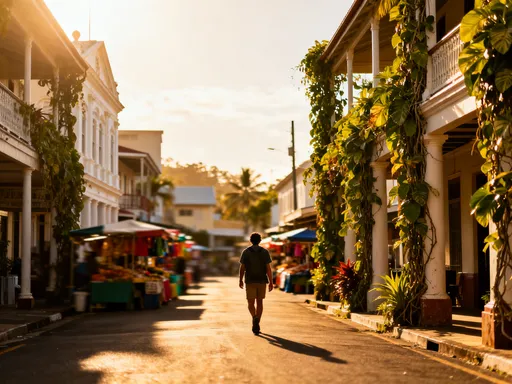
Not all great viewpoints require elevation. Some of the most revealing moments in Phnom Penh happen at ground level, in the spaces between buildings, inside bustling markets, and along quiet alleyways where daily life unfolds unscripted. The Central Market, or Phsar Thmei, is a perfect example. Its iconic yellow dome, a relic of French colonial architecture, shelters a labyrinth of stalls selling everything from silk scarves to silverware, spices to shoes. But the real magic isn’t in the shopping — it’s in the observation. Stand beneath the vaulted ceiling, let your eyes adjust to the filtered light, and watch the human mosaic move around you.
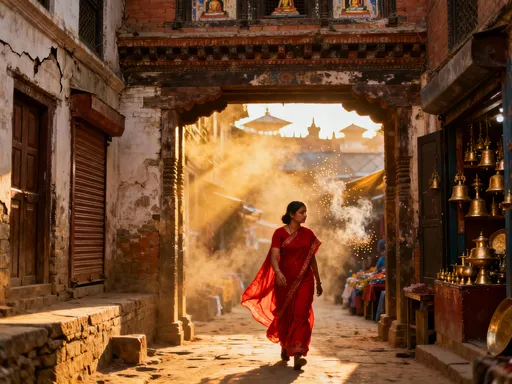
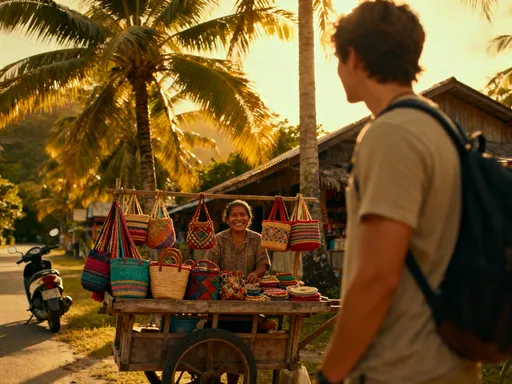
Here, you see Cambodia in motion. A vendor carefully arranges mangoes by size. A monk in saffron robes pauses to buy a notebook. An elderly woman counts coins into the palm of a street seller. These are not staged moments; they are the quiet poetry of ordinary life. The market’s radial design — like a sunburst of covered paths — encourages wandering, not rushing. Each corridor leads to a new sensory experience: the scent of roasted coffee, the clink of glass bottles, the murmur of bartering in Khmer. And just outside, the side streets offer even deeper immersion. Laundry hangs between buildings. Dogs nap in doorways. Children kick a makeshift ball down a narrow lane.
To truly appreciate these street-level perspectives, you must slow down. Put the camera away. Walk without a destination. Smile at passersby — a simple gesture that often brings a warm return. Dress comfortably but respectfully; lightweight cotton clothing is ideal. Bring a small bag for essentials, but keep it secure. Pickpocketing is rare, but crowded markets attract opportunists. And always ask before photographing people, especially children or monks. A nod, a smile, a quiet “anukh” (thank you) can open doors more than any lens.
What you gain from these moments is not just memories, but understanding. You begin to see how people live, how they work, how they connect. You notice the resourcefulness — the way a single fan cools an entire shop, how shade is shared, how laughter rises even in the heat. These are the invisible threads that hold a city together. And when you take the time to see them, Phnom Penh stops being a destination and starts feeling like a place where life, in all its simplicity and complexity, is fully alive.
Elevated Vistas: Bridges, Overpasses, and Unofficial Lookouts
For panoramic views that capture the full scale of Phnom Penh’s growth and rhythm, few spots compare to its bridges and overpasses. These utilitarian structures, built for traffic, have become unintentional observation decks — places where the city’s pulse is visible in real time. The Prek Pnov Bridge, stretching across the Tonlé Sap River to the western suburbs, offers one of the most expansive vistas. From its center, you can see the river winding south toward Vietnam, lined with stilt houses, fishing boats, and riverside gardens. On clear mornings, mist rises like breath from the water, softening the edges of the landscape.
Another prime location is the Monivong Overpass, a raised highway section in the heart of the city. While not designed for pedestrians, the sidewalks on either side are wide and safe, offering uninterrupted views east and west. To the east, the skyline clusters around the Central Business District; to the west, the city spreads into residential neighborhoods, where rooftop water tanks and satellite dishes dot the skyline. The contrast between planned development and organic growth is striking. Glass towers stand beside clusters of tin-roofed homes. Construction cranes rise like sentinels over new condominiums, while street vendors set up their carts below.
Exploring these spaces requires a balance of curiosity and caution. Always stay on public sidewalks. Avoid restricted areas, especially near government buildings or military zones. Be mindful of traffic — these are active roads, not pedestrian parks. The best times to visit are early morning (6:00–7:30 AM) or late evening (after 7:00 PM), when traffic is lighter and light conditions are ideal for photography. Mornings offer soft, golden light and cooler temperatures; evenings bring the warm glow of streetlamps and the first flicker of home lights.
What makes these unofficial lookouts powerful is their rawness. There are no admission fees, no souvenir stalls, no curated experiences. What you see is unfiltered — the real, working city. You witness the flow of goods, the movement of people, the quiet labor that keeps Phnom Penh running. A delivery van unloads crates of fruit. A motorbike taxi waits for a fare. A construction crew starts their shift. These are not tourist moments, but they are essential to understanding the city’s character. And from above, you see how everything connects — how rivers feed life, how roads link communities, how growth and tradition coexist in a delicate balance.
Cultural Viewpoints: Temples, Gardens, and Historical Spaces
Some of Phnom Penh’s most meaningful viewpoints are also its most spiritual. Places like Wat Phnom and the Independence Monument offer not just elevation, but context — a chance to see the city through the lens of its history and values. Wat Phnom, the hilltop temple that gave the city its name, stands at 27 meters — modest by global standards, but significant in a flat urban landscape. Climbing its steps, you’re not just gaining height; you’re entering a space of reverence. The temple complex, shaded by banyan trees and guarded by stone lions, feels like an island of calm. From the upper terrace, the city unfolds in all directions, but the view is framed by prayer flags, golden stupas, and the quiet devotion of visitors lighting incense.
The story of Wat Phnom is central to Phnom Penh’s identity. According to legend, a woman named Lady Penh discovered sacred Buddha statues in a floating tree trunk in the 14th century and built a small shrine on this hill to house them. That act of reverence is said to have founded the city. Today, the temple remains a place of pilgrimage and reflection. Visitors circle the main stupa clockwise, offering lotus blossoms and prayers. The air carries the scent of sandalwood and frangipani. Birds call from the trees. It’s a moment out of time — one that connects the present to centuries of belief and resilience.
Similarly, the Independence Monument, inspired by traditional Khmer architecture and built in 1962 to celebrate Cambodia’s freedom from French rule, offers both visual and symbolic elevation. Its lotus-shaped spires rise 37 meters, echoing the design of Angkor Wat. While not a religious site, it serves as a national landmark — a place where history is remembered and celebrated. The surrounding gardens are well-maintained, with walking paths and shaded benches. Evening visits are especially moving, when the monument is illuminated and local families gather for walks or quiet conversation.
When visiting these sites, respect is paramount. Dress conservatively — shoulders and knees should be covered. Remove your shoes before entering temple buildings. Speak softly. Avoid touching religious artifacts. Visit in the morning or late afternoon to avoid the midday heat and crowds. And take time to simply sit and observe. These spaces are not just for sightseeing; they are for feeling — for sensing the weight of history, the presence of faith, the continuity of culture. In doing so, you don’t just see Phnom Penh — you begin to understand it.
Putting It All Together: Designing Your Own Visual Journey
Now that you’ve explored the many ways to see Phnom Penh — from riverside sunsets to rooftop nights, from market alleys to temple heights — the next step is to weave them into your own journey. You don’t need a professional camera or a guided tour. You only need curiosity, patience, and a willingness to look. Start with a simple plan: a morning at Wat Phnom to greet the day with quiet reflection, followed by a slow walk through the Central Market to immerse yourself in local life. After a light lunch of nom banh chok (Khmer noodles), head to the riverside for an afternoon pause, then transition to a rooftop bar as the sun sets.
The key is variety. Mix elevation with intimacy. Balance observation with interaction. Allow time between stops — not to check items off a list, but to let the city settle in. Bring a small notebook or use your phone’s voice memo to record impressions: a color, a sound, a phrase overheard. These fragments become the real souvenirs. And remember, the best views often come when you’re not looking for them — a child’s smile from a doorway, the pattern of light through palm leaves, the sudden silence between passing motorbikes.
Even without a high-end camera, you can capture meaningful moments. Use your phone’s wide-angle mode for skyline shots, or focus on details — a hand-painted sign, a woven basket, the texture of a weathered wall. But don’t let photography replace presence. Sometimes, the most powerful image is the one you keep in your mind. Develop habits of attention: pause at crosswalks, sit on public benches, accept an invitation for tea. These small acts deepen your visual and emotional connection to the city.
Ultimately, seeing Phnom Penh is not about collecting viewpoints — it’s about cultivating vision. It’s about learning to look beyond the surface, to notice the layers, the contrasts, the quiet moments that define a place. When you do, the city reveals itself not as a collection of sights, but as a living, breathing entity — complex, resilient, and deeply human.
Phnom Penh doesn’t always show its soul at first glance. But when you change your angle — rise above the noise, pause in the quiet corners, or simply watch from a bench as life flows by — the city transforms. These viewpoints aren’t just about scenery; they’re about understanding. They invite you to see not just where you are, but how you see. And once you do, Phnom Penh stays with you — not as a list of places, but as a feeling, a perspective, a quiet revelation.