You Won’t Believe These Hidden Worlds Inside Kathmandu
Kathmandu isn’t just temples and prayer flags — it’s a city of secret layers waiting to be explored. I never expected to find ancient courtyards, artistic hideouts, and spiritual enclaves tucked behind chaotic streets. Each corner tells a different story, from centuries-old traditions to underground creativity. If you're looking for real connection, not just checkmarks on a tourist list, these theme areas will change how you see Nepal forever. This is travel with soul.
The Old City Lanes: Where Time Stands Still
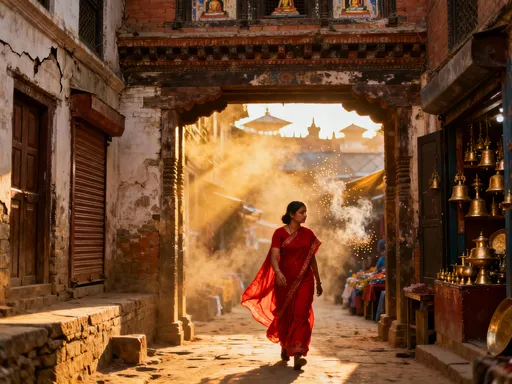
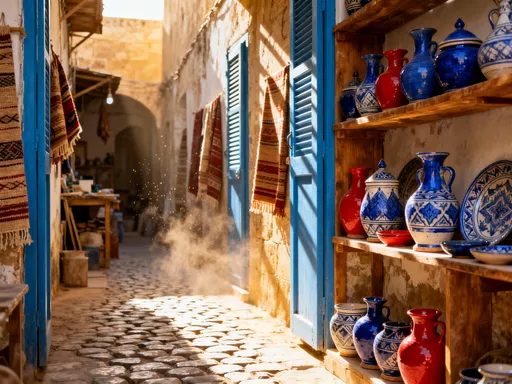
Kathmandu’s historic core pulses with life that has changed little over generations. In neighborhoods like Asan and Indrachowk, the city reveals itself not through grand monuments, but in the rhythm of daily rituals. Narrow alleys, barely wide enough for two people to pass, wind like veins through the old town. Here, brass pots clink in family-run shops, marigolds spill from baskets, and the scent of sandalwood incense lingers in the air. These are not preserved relics behind glass — they are living heritage zones where homes, temples, and businesses coexist in organic harmony. The architecture, with its intricately carved wooden windows and sloping tiled roofs, speaks of a craftsmanship passed down through centuries.
What makes these lanes extraordinary is how seamlessly tradition integrates with modern life. A grandmother grinds spices on a stone mortar beneath an electric wire strung across the alley. A smartphone rings beside a centuries-old oil lamp. This blend isn’t jarring — it’s natural, even poetic. The cultural logic behind the apparent chaos becomes clear when you slow down: each space serves multiple purposes. A temple courtyard doubles as a marketplace in the morning and a children’s playground by dusk. A stone step worn smooth by generations becomes a resting place for a tired vendor.
For travelers, navigating this world requires patience and respect. Rushing through with a camera can feel intrusive. Instead, walking slowly, greeting shopkeepers with a soft namaste, and observing without intrusion opens doors that no guidebook can. Locals respond warmly to genuine curiosity. Some may invite you to sit for a cup of sweet milk tea. These small moments, born from presence rather than performance, offer the most authentic experiences. The old city teaches that heritage isn’t something to be observed from a distance — it’s lived, breathed, and shared.
Temple Courtyards: Spiritual Heartbeats of the City
Beyond the towering pagodas and tourist trails lie the quiet sanctuaries where Kathmandu’s spiritual life truly unfolds. Places like Kasthamandap — believed to be the city’s namesake — and the inner courtyards of Taleju Temple are not museums but living centers of devotion. Here, religion is not a spectacle but a rhythm. At dawn, elderly women in crimson saris trace the same paths their mothers once walked, marigold garlands in hand. Bells ring in a steady cadence as palms press together in silent prayer. The air hums with whispered mantras and the occasional flutter of pigeons startled from the eaves.
These temple complexes follow a sacred geometry. Entryways are deliberately narrow, forcing a pause — a physical act of humility before stepping into holiness. Courtyards are arranged in concentric circles, drawing the visitor inward, away from the noise of the world. Statues of deities sit beneath peeling paint and cracked stone, their presence undiminished by time. Unlike the curated serenity of tourist sites, these spaces feel deeply personal. A man sits cross-legged, eyes closed, repeating a mantra for a sick child. A young couple offers rice and coins, praying for a smooth marriage. These moments are not for performance — they are intimate, vulnerable, and real.
To enter such spaces is to accept certain unspoken rules. Shoes must be removed. Voices are kept low. Photography is often discouraged, not out of hostility, but out of reverence. The most meaningful access comes not from a guide’s explanation, but from quiet observation. Sitting on a stone bench, watching the play of light on ancient carvings, allows a deeper understanding to emerge. It’s in stillness that the spiritual heartbeat of Kathmandu becomes audible. These courtyards remind us that faith is not always loud — sometimes, it is a whisper carried on incense smoke.
Art & Bohemia: Kathmandu’s Creative Underground
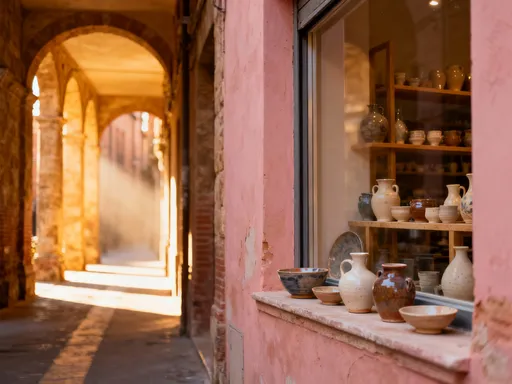
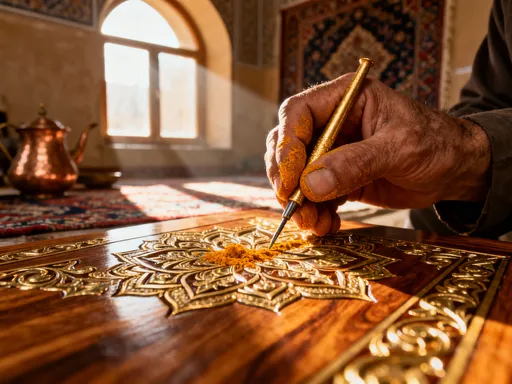
Just beyond the tourist trails, Kathmandu’s creative spirit thrives in quiet corners. In neighborhoods like Jhamel and the artist quarters of Patan, a new generation of Nepali creators is reimagining tradition. This is not art for export — it’s art for expression. Painters blend thangka techniques with modern themes. Ceramicists shape clay into vessels that honor ancestral forms while speaking to contemporary life. Musicians weave folk melodies into jazz improvisations, creating a sound that is unmistakably Nepali yet refreshingly new.
Cultural hubs like the Siddhartha Art Gallery and smaller, independent studios offer glimpses into this world. These spaces are unassuming — often tucked above tea shops or behind unmarked doors. Exhibitions change frequently, sometimes without formal announcements. The absence of hype is intentional. Many artists reject the pressure to commodify their work for foreign tastes. Instead, they create for themselves, their communities, and the love of the craft. Visitors who stumble upon these galleries are often welcomed not as customers, but as fellow seekers.
What defines this underground scene is its authenticity. There are no influencer photo ops, no curated backdrops designed for social media. A painter might be found sipping tea while discussing philosophy with a poet. A sculptor might invite you into her workshop to explain the symbolism in her latest piece. These interactions happen organically, born from shared curiosity rather than transaction. For travelers, finding these spaces requires a willingness to wander without an agenda. Ask a local bookseller about recent exhibitions. Follow the sound of a sitar drifting from an open window. The creative pulse of Kathmandu beats strongest in these unscripted moments.
Monastic Zones: Silence Amid the Chaos
On the outskirts of the city, nestled on forested hills and quiet riverbanks, lie monastic communities that offer a profound contrast to Kathmandu’s energy. Swayambhunath and Boudhanath are known for their stupas, but beyond the pilgrimage trails are clusters of monasteries where monks live in disciplined rhythm. These are not tourist stops — they are homes, schools, and spiritual centers. Mornings begin before sunrise with deep, resonant chants that ripple through the cool air. Monks in maroon robes gather in dimly lit halls, their voices rising in unison, calling in the new day.
The daily routine is structured yet serene. After chanting, monks study scriptures, prepare butter tea, and tend to temple grounds. Young novices memorize ancient texts under the guidance of elders. The pace is unhurried, deliberate. Time here is not measured in minutes but in cycles of prayer and reflection. Visitors are welcome, but presence must be respectful. Loud voices, flashy clothing, and intrusive photography disrupt the meditative atmosphere. The reward for quiet reverence is not a photo, but a feeling — the subtle shift in energy that comes from being near deep stillness.
These zones offer more than spiritual insight — they provide emotional grounding. In a world of constant noise, the silence of a monastery courtyard is a gift. Sitting on a stone bench, watching sunlight filter through prayer flags, one begins to notice small details: the pattern of footprints on a dusty path, the soft clink of a brass bowl, the distant laughter of children from a nearby school. These moments of awareness are not taught — they arise naturally in such spaces. For travelers, a visit here is not about ticking a box, but about allowing oneself to slow down, breathe, and simply be.
Food Streets: Flavors That Define a Culture
To understand Kathmandu, one must eat like a local. Beyond the tourist restaurants with laminated menus, the city’s true culinary soul unfolds in hidden food streets. Around New Road, Ratna Park, and the back lanes of Ason, small eateries serve dishes that are deeply tied to family, festival, and memory. The air is rich with cumin, turmeric, and the earthy scent of lentils simmering for hours. Breakfast stalls steam with sel roti — golden, ring-shaped rice bread with a crisp exterior and soft center. Street vendors ladle chatamari, a savory buckwheat crepe topped with egg and spices, onto banana leaves.
One of the most beloved seasonal treats is yomari, a sweet dumpling filled with molasses and sesame, traditionally made during the Yomari Punhi festival. Finding it outside of winter requires asking the right person — perhaps a shopkeeper or tea vendor who knows a home cook still making it in small batches. These foods are not just meals — they are stories on a plate, passed down through generations. Eating them is an act of connection, a way to taste the rhythm of Nepali life.
For visitors, navigating these food streets can feel overwhelming. There are no signs in English, no hygiene ratings, and portions are often modest by Western standards. But trust is built through observation. Look for stalls with long lines of locals — a reliable sign of quality. Notice whether the cook washes hands between servings. A clean cloth covering the food, even in open air, is a good indicator. Many vendors now use disposable leaf plates, balancing tradition with practicality. Sharing a meal at a crowded bench, laughing with strangers over a spilled cup of tea, becomes a highlight — not because of the food alone, but because of the human warmth it fosters.
Green Escapes: Urban Oases Most Travelers Miss
In a city known for its density and noise, green spaces offer quiet refuge. While many tourists flock to Swayambhunath or Pashupatinath, fewer discover the quieter sanctuaries where Kathmandu breathes. The Godavari Botanical Garden, perched on the southern edge of the valley, is one such haven. Terraced gardens bloom with rhododendrons, orchids, and medicinal herbs. Stone pathways wind through groves of pine and bamboo. Unlike manicured Western parks, this space feels wilder, more integrated with the natural landscape. Families picnic on grassy slopes. Elderly couples walk slowly, holding hands. Students sit beneath trees, reading or sketching.
Along the Bagmati River, certain stretches of the ghats remain untouched by crowds. These are not ceremonial sites, but informal gathering places. Women wash clothes on flat stones. Children splash in shallow water. Monks walk the banks in meditation. The river here is not pristine — it bears the marks of urban life — yet it remains sacred. People toss marigold petals not for show, but out of habit, reverence, and hope. These moments are not staged for visitors — they are part of daily life.
What makes these green escapes special is their authenticity. They are not designed for tourism, but for living. A woman might be seen offering water to a tree, a small ritual of gratitude. A man might sit silently, eyes closed, letting the breeze carry his thoughts. For travelers, these spaces offer a rare gift: solitude without loneliness, peace without performance. To visit them is to remember that nature and spirituality are not separate in Kathmandu — they are woven together, like roots beneath the soil.
Modern Kathmandu: The City Evolving
Beneath the ancient temples and timeless traditions, a new Kathmandu is quietly emerging. In neighborhoods like Jhamsikhel and Lazimpat, young Nepalis are blending global influences with deep cultural roots. Co-working cafes buzz with entrepreneurs developing apps for local farmers. Eco-conscious homestays offer sustainable stays without sacrificing comfort. Cultural startups host storytelling nights, traditional music workshops, and heritage walks led by historians and artists. This is not a rejection of the past — it is a reimagining of it.
These spaces attract both locals and travelers seeking meaningful connection. A café might display rotating art from local painters. A bookstore might host readings in Nepali and English. A design studio might use traditional weaving techniques to create modern fashion. The energy is collaborative, not commercial. Many of these initiatives began as small passions — a shared dream among friends, a desire to preserve a fading craft. Now, they are shaping the city’s future.
For visitors, engaging with modern Kathmandu means moving beyond observation. It means asking questions, supporting local businesses, and listening more than speaking. It means understanding that tradition is not static — it evolves with each generation. A young woman wearing jeans and a gunyu cholo (traditional blouse) is not contradicting her culture — she is redefining it. Travelers who embrace this complexity find that Kathmandu offers not just history, but hope — a vision of how heritage and progress can coexist.
Conclusion
Kathmandu’s true magic lies not in its famous landmarks, but in its theme areas — the distinct worlds within the city that reveal its soul. When you move beyond sightseeing and step into these living zones, travel becomes transformation. The old city lanes teach patience and presence. Temple courtyards offer quiet reverence. The creative underground inspires authenticity. Monastic zones restore stillness. Food streets nourish connection. Green escapes provide peace. And modern Kathmandu shows how tradition can thrive in new forms.
Each of these spaces invites a different kind of engagement — one that values curiosity over convenience, depth over distance. To experience them is to understand that a city is not just a collection of sites, but a living, breathing entity shaped by its people. Kathmandu does not reveal itself all at once. It unfolds slowly, like the petals of a lotus at dawn. Choose to wander with openness, respect, and a willingness to be surprised. Let the city’s hidden worlds change not just how you see Nepal — but how you see the world.