You Won’t Believe These Hidden Corners of Corfu
Corfu isn’t just about postcard-perfect beaches and Venetian alleys—there’s a deeper, quieter side waiting to be discovered. I wandered far from the cruise crowds and found pockets of the island where time slows down, traditions run deep, and beauty feels untouched. From hilltop villages frozen in history to olive groves that stretch forever, these off-the-beaten-path theme areas reveal the soul of Greece in a whole new light. This is not the Corfu of guidebook highlights or crowded sunbathing decks, but a more intimate version—one shaped by generations of farmers, artisans, and families who live in rhythm with the land. For travelers seeking meaning beyond the surface, these hidden corners offer connection, reflection, and a chance to witness a way of life that remains resilient despite the tides of modern tourism.
The Mountain Villages: Where Time Stands Still
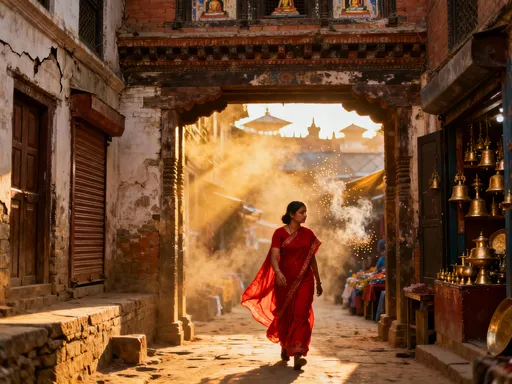
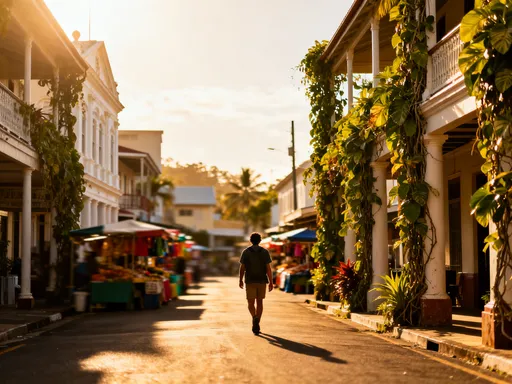
Nestled in the island’s rugged interior, villages like Spartillas and Thinali rise above the coastline like sentinels of a quieter era. Perched on steep hillsides, these settlements were historically shaped by the need for protection, agriculture, and isolation from coastal invasions. Their stone houses, with red-tiled roofs and shuttered windows, blend seamlessly into the landscape, their walls built from local limestone and mortar that has weathered centuries of Mediterranean sun and rain. Walking through their narrow, cobbled lanes feels like stepping into a living museum, where every doorway and courtyard tells a story of resilience and continuity.
What makes these villages truly special is not just their architecture, but the enduring rhythms of daily life. Here, elderly women still sit outside their homes in the late afternoon, shelling beans or mending linens, while children play freely in the central square. Community remains central—festivals honoring patron saints draw families from surrounding areas, with processions, traditional music, and feasts that last late into the night. These gatherings are not staged for tourists; they are expressions of identity, faith, and intergenerational connection that have survived despite the pull of urbanization.
For visitors, the opportunity to experience this authenticity is profound. Family-run tavernas, often little more than open-air kitchens with a few wooden tables, serve dishes rooted in seasonal availability and ancestral recipes. Imagine slow-cooked lamb with wild herbs, hand-rolled pasta in rich tomato sauce, or freshly fried zucchini blossoms—each ingredient grown in nearby gardens or foraged from the hills. Meals are served with local wine, sometimes from the family’s own vineyard, and accompanied by warm hospitality that feels genuine rather than performative. In these moments, one begins to understand that the heart of Corfu beats strongest not in its resorts, but in its mountain villages.
The Olive Highlands: A Green Sea of Ancient Trees
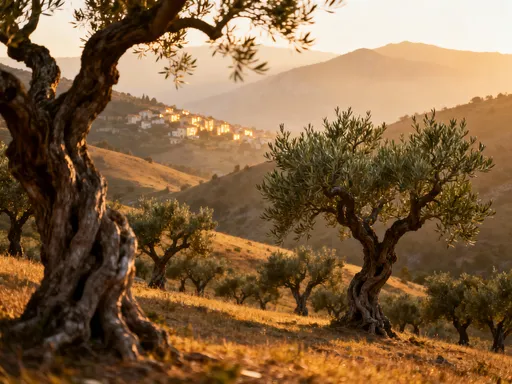
Across Corfu’s interior, the land rolls into a vast expanse of silvery-green olive groves, some stretching uninterrupted for miles. These are not modern plantations, but ancient groves where gnarled trees—many over 500 years old—stand as living monuments to the island’s agricultural heritage. The olive has long been central to Corfu’s economy and culture, its oil used not only in cooking but also in religious ceremonies, soap-making, and traditional medicine. Even today, many families depend on their groves for income, preserving a way of life that connects them directly to the land.
What sets Corfu’s olive farming apart is the commitment to low-impact, sustainable practices. Most groves are maintained without heavy machinery, relying instead on hand pruning, manual harvesting, and natural pest control. Farmers often work in small co-ops, pooling resources to press their olives in local mills during the autumn harvest. These co-ops, usually family-operated, welcome visitors who wish to learn about the process and taste the oil fresh from the press—its flavor sharp, grassy, and complex, a world apart from mass-produced alternatives.
The sensory experience of walking through these groves is unforgettable. The air carries the faint, peppery aroma of crushed olives, while the breeze stirs the leaves into a soft, shimmering rustle. Sunlight filters through the canopy, casting dappled shadows on the dry earth. Occasionally, a shepherd passes with a small flock of goats, their bells echoing in the stillness. This is not a curated attraction, but a working landscape where nature and human labor coexist in balance. For travelers, spending time here offers a rare chance to slow down, breathe deeply, and appreciate the quiet dignity of rural life.
Supporting these small producers is also an act of cultural preservation. As global markets favor efficiency over tradition, many small-scale farmers struggle to survive. By choosing to buy directly from local co-ops or participating in olive harvest tours, visitors contribute to the sustainability of these communities. The olive highlands are more than a scenic backdrop—they are a testament to endurance, stewardship, and the deep bond between people and the land they cultivate.
The Abandoned Monasteries: Whispers of the Past
Scattered across Corfu’s remote ridges and forested slopes are the quiet remains of monasteries that once served as spiritual and cultural centers. One such site is Panagia Spiliotissa, a small monastery tucked into a rocky outcrop, its whitewashed walls now softened by moss and creeping vines. Though no longer inhabited by monks, it retains a sacred stillness, its chapel still adorned with fragments of frescoes depicting saints and biblical scenes. The surrounding silence, broken only by birdsong and the whisper of wind through olive trees, invites contemplation and reverence.
These monasteries were built during periods of foreign rule—first by the Venetians, later under British administration—as places of refuge, worship, and education. Their locations were chosen for both spiritual and practical reasons: high elevations offered protection from pirates and invaders, while the isolation allowed monks to live in contemplative seclusion. Many were centers of learning, preserving manuscripts and religious texts that might otherwise have been lost. Over time, as religious life on the island changed and populations shifted, some of these monasteries were gradually abandoned, their communities dwindling until only memory remained.
Yet their architectural and artistic legacy endures. Byzantine influences are evident in the domed chapels, arched doorways, and fresco techniques, while Venetian touches appear in the stonework and decorative details. In some cases, nature has reclaimed the structures so completely that it is difficult to distinguish where the building ends and the landscape begins. This fusion of human creation and natural reclamation gives these sites a haunting beauty, as if time itself has paused to honor what once was.
Visiting these monasteries is not about grand spectacle, but about quiet discovery. There are no entrance fees, no crowds, and often no signage—just the simple act of finding your way and being present. For travelers seeking depth and meaning, these forgotten places offer a powerful reminder of impermanence and continuity. They stand as silent witnesses to Corfu’s layered history, where faith, resilience, and artistry have left an indelible mark on the island’s soul.
The Coastal Hideaways: Secluded Coves and Local Secrets
While Corfu’s popular beaches draw thousands each summer, the island’s true coastal magic lies in its lesser-known coves—hidden inlets accessible only by foot, small boat, or rugged dirt path. One such gem is the northern tip of Agios Georgios Pagon, where a narrow trail leads to a crescent-shaped bay with water so clear it reveals every pebble on the seabed. Another is the rocky shelf near Erimitis, a quiet spot favored by local fishermen and families who come to swim, picnic, and escape the midday heat. These places are not designed for mass tourism; they exist because geography has protected them from development.
What makes these hideaways special is not just their beauty, but their authenticity. There are no sunbeds, no beach bars, no loud music—only the sound of waves and the occasional call of a seabird. Locals come here to reconnect with nature, to fish using traditional methods, or to gather wild herbs from the cliffs above. The water is pristine, cooled by underground springs, and often teeming with small fish and sea urchins. Snorkeling here feels like entering a private aquarium, where marine life thrives undisturbed.
Accessing these spots requires a bit of effort, but that is part of their charm. Visitors must be mindful of their impact, leaving no trace and respecting local customs. In some areas, it is customary to greet nearby residents or ask permission before entering private land—even if the path is public. This etiquette is not about restriction, but about maintaining the delicate balance between hospitality and preservation. When travelers approach these places with humility and care, they become part of a shared stewardship.
These coves also serve as a reminder of what is at stake. As coastal development expands, even remote areas face pressure from infrastructure projects and increased foot traffic. By choosing to visit responsibly—staying on marked trails, avoiding single-use plastics, and supporting local guides—travelers help protect these fragile ecosystems. The beauty of Corfu’s hidden coasts is not just in their seclusion, but in the promise they hold: that nature, when respected, can remain wild and generous for generations to come.
The Citrus Valleys: Scented Landscapes and Forgotten Orchards
In the southern lowlands of Corfu, where the air grows warm and humid, lie the island’s citrus valleys—lush orchards of bergamot, kumquat, lemon, and bitter orange. Once a cornerstone of Corfu’s agricultural economy, these groves still thrive in family-run farms that have passed down their knowledge for generations. The scent here is intoxicating, especially in spring, when the blossoms release a sweet, spicy perfume that lingers for miles. Bees hum among the branches, and the soil, rich with organic matter, supports a diverse ecosystem of plants and insects.
The kumquat, in particular, holds a special place in Corfu’s identity. Introduced in the 19th century, this small, oval citrus fruit—edible skin and all—has become a symbol of the island’s unique flavor profile. Local farmers use it in a variety of ways: preserved in syrup, made into marmalade, or distilled into a fragrant liqueur served after meals. Some families still produce kumquat products in small batches, using copper kettles and wooden presses passed down through the years. Visitors to working orchards can sample these treats, learn about the harvesting process, and even help pick fruit during the winter season.
Beyond their culinary value, these orchards are living archives of agricultural heritage. Unlike industrial farms, they rely on polyculture—growing multiple crops together to maintain soil health and biodiversity. Interspersed among the citrus trees are figs, pomegranates, and herbs like oregano and thyme, creating a rich, layered ecosystem. This traditional approach not only produces higher-quality fruit but also supports environmental sustainability.
Yet these orchards face challenges. Younger generations are increasingly drawn to urban life, and the labor-intensive nature of citrus farming makes it difficult to compete with imported produce. Some farms have adapted by opening to agritourism, offering guided tours, tastings, and farm stays. These initiatives not only provide additional income but also educate visitors about the importance of preserving local food systems. The citrus valleys are more than a sensory delight—they are a testament to the resilience of small-scale farming and the deep connection between land, flavor, and community.
The Forest Trails: Hiking Through Untamed Nature
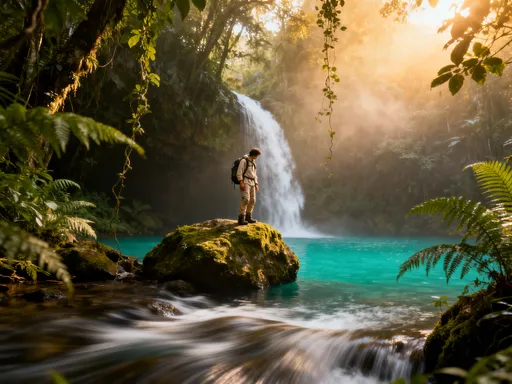
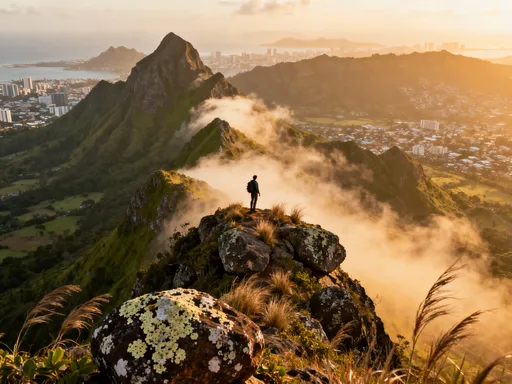
For those seeking solitude and immersion in nature, Corfu’s forest trails offer an unparalleled experience. The dense woodlands near Molos and along the northern peninsula are home to some of the island’s most pristine ecosystems. Paths wind through thickets of laurel, myrtle, and Aleppo pine, their canopies filtering sunlight into soft green patterns on the forest floor. The air is cool and fragrant, carrying the scent of damp earth, wild herbs, and blooming orchids. Unlike the well-marked, crowded trails near tourist hubs, these routes are quieter, less maintained, and all the more rewarding for it.
These forests are alive with wildlife. Tracks in the mud may belong to wild boar, which forage at dawn and dusk. Hawks circle overhead, scanning the underbrush for movement, while lizards dart between rocks and tree roots. In spring, rare orchids—some found only in the Ionian Islands—bloom in hidden clearings, their delicate petals a fleeting reminder of nature’s artistry. Birdwatchers may spot the scops owl, the European honey buzzard, or the colorful hoopoe, all of which find refuge in these protected woodlands.
Hiking here is not just recreation; it is an act of connection. The trails follow ancient routes once used by shepherds, monks, and villagers traveling between inland settlements and the coast. Walking them today, one can imagine the footsteps of those who came before—carrying goods, seeking solitude, or simply moving through the landscape with purpose. There are no visitor centers or convenience stores, only the occasional stone marker or wooden signpost to guide the way.
Local conservation groups are working to protect these forests from threats like illegal logging, unregulated development, and invasive species. Volunteer-led clean-up efforts, trail maintenance projects, and educational programs help raise awareness about the importance of preserving Corfu’s natural heritage. Travelers can support these efforts by choosing eco-conscious guides, staying on marked paths, and avoiding littering. By doing so, they contribute to a growing movement that values sustainability over convenience and reverence over exploitation.
Why These Theme Areas Matter: Preserving Corfu’s Soul
The mountain villages, olive highlands, abandoned monasteries, coastal hideaways, citrus valleys, and forest trails are not isolated attractions—they are interconnected threads in the fabric of Corfu’s identity. Together, they represent a way of life that values slowness, craftsmanship, and harmony with nature. While mass tourism brings economic benefits, it also risks erasing the very qualities that make the island unique. Overdevelopment, overcrowding, and cultural commodification can transform authentic experiences into staged performances, stripping them of meaning and depth.
Choosing to explore these hidden corners is a form of resistance—a quiet but powerful way to support sustainable tourism. When travelers seek out family-run tavernas, buy directly from farmers, or hike with local guides, they invest in communities rather than corporations. They become stewards of culture and ecology, helping to ensure that traditions are not lost to time. This kind of travel does not require grand gestures; it begins with small, mindful choices—where to eat, where to stay, how to move through the landscape.
Moreover, these off-the-beaten-path experiences offer something that conventional tourism often lacks: a sense of belonging. In a world that feels increasingly fast and fragmented, Corfu’s hidden corners invite stillness, reflection, and connection. They remind us that beauty does not have to be loud or crowded to be profound. The future of Corfu does not lie in more hotels or faster ferries, but in a deeper understanding of what it means to travel with respect, curiosity, and care.
Preserving these places is not just about protecting scenery—it is about honoring the people who have shaped them. It is about recognizing that culture is not a product to be consumed, but a living, breathing reality to be engaged with. When visitors approach Corfu not as a destination to conquer, but as a story to listen to, they become part of its ongoing narrative. In doing so, they help ensure that the soul of the island—its traditions, landscapes, and quiet dignity—remains intact for generations to come.
These hidden theme areas aren’t just escapes—they’re keepers of memory, nature, and authenticity. When you step off the main roads, Corfu reveals itself not as a destination, but as a story worth listening to.